When you come to La Cocotera Eco Lodge and Resort and stay at our eco resort be sure to go on our “Behind the Scenes Eco Tour.” The staff at our eco resort would be more than happy to show you our different eco processes at La Cocotera Eco Resort. We will show you our biological, not chemical, waste water recycling treatment plant. We will also show you our solar energy capabilities and our ionization pool filtration system.
You can also have the opportunity to participate in our turtle release program. The turtle release program is sponsored by our eco resort and allows hotel guest to aid in safely releasing thousands of newly hatched Olive Ridley turtle into the ocean every year.
Don’t forget about our Species Reintroduction Program. La Cocotera is the proud sponsor ofEl Salvador’s official program to reintroduce the Scarlet Macaw into the country. Guests can learn all about this exciting program and meet people involved in the project. Guests of the eco resort can also see our Scarlet Macaws and the latest edition to our birds, our Yellow-Naped Parrots.
La Cocotera has been featured in Frommer’s Nicaragua El Salvador Travel Guide and in El Salvador: A Great Destination (Explorer’s Guide).
Frommer’s lists La Cocotera as a “find.” Frommer’s says, “Staying here is an unforgettable experience.” We are so pleased to be recognized by Frommer’s. Furthermore, we are so glad that Frommer’s identified what La Cocotera tries to achieve with the eco resort. Frommer’s describes the ecoresort and some of the eco-friendly features at La Cocotera:
This is one of the finest ecolodges in all of Central America and certainly one of the most luxurious hotels in El Salvador outside of San Salvador. It offers a rare taste of international style in a remote and beautiful part of the country. La Cocotera gets the balance right: utter comfort with a social conscience. It employs locals, uses sustainable energy, promotes nature conservation, and blends right in with its environment.
As an ecoresort, La Cocotera features solar-powered hot water and brown-water recycling, and it even incubates turtle eggs, gathered from illegal vendors around the country, for release by guests into the sea. The staff is gracious and friendly.
El Salvador: A Great Destination (Explorer’s Guide) describes Barra de Santiago as “one of the most remote beaches in El Salvador.” The guide then continues to talk about La Cocotera Resort and Ecolodge, “This outstanding ecolodge on the endless beach may be a bit upscale for folk really watching their carbon footprint, but it’s fantastic. Six spacious palapa-topped bungalows are hewn from natural materials, with exquisitely crafted bamboo detailing and gorgeous solar-heated showers with smooth black rocks all around.”
Be sure to check out these travel guides on your way to La Cocotera!
During the months of October through February the flowers are blooming on the Ruta de las Flores, or “Route of the Flowers.” The road, which is located near our eco resort, gets its name from the white flowers that blossom on coffee plants that are in region. The “Route” through its 36 kilometer road will take you through El Salvador’s coffee growing region and links five towns together where locals have kept their traditions and culture very much alive.
In the town of Nahuizalco, you will be able to admire the beautiful hand-crafted furniture and enjoy the night market that is illuminated by oil lamps, lanterns, and candles. Juayúa offers one of the largest food and artisan festivals where you will be amazed at the variety of local and international food that you can eat. A notable black Christ statue is located in Juayúa at La Iglesia del Cristo Negro or “Black Christ Church.”
Apaneca has two lagoons, Laguna Verde or Green Lagoon and Laguna de las Ninfas or “Nymphs Lagoon,” which provides for stunning landscapes. You can soar over Apaneca through forests while getting a bird’s eye view of the area with an Apaneca Zip Line Tour.
Every weekend in Salcoatitán, you can enjoy a large selection of food in front of the colonial church of San Miguel Arcángel. El Salvador’s first coffee plantation was located in Salcoatitán. Be sure to check out the local art galleries and eco-art.
The “Route” ends with the village of Concepción de Ataco. Concepción de Ataco is rich in history as it dates back to pre-Columbian times. There are viewpoints where you can gaze at the town and its surroundings. While driving, there are multiple viewpoints where you will be able to pull over and enjoy the scenic views that El Salvador has to offer. La Cocotera’s closeness to Ruta de las Flores makes this a must do activity for any eco-friendly traveler.
El Salvador is a nature-lover’s paradise. With a large variety of unique plants and wildlife, its geographic location is ideal for those seeking an eco vacation. With so many sights to see, from the breathtaking volcanic lake, Lake Coatepeque, to El Imposible National Park, El Salvador is the perfect place to experience the beauty of nature first hand. Many nature tours in El Salvador are available through La Cocotera Resort as well as various tour groups in the area.
La Cocotera offers exciting eco and nature tours including an exploration of the Ruins of Joya de Ceren and San Andres, a Santa Ana Volcano Tour and a day hike in El Imposible National Park.
Ruins of Joya de Ceren
Visit the Mayan ruins of Joya de Ceren and San Andres on this unique, full day nature tour. Named a UN World Heritage Site, this archaeological region offers unforgettable panoramic volcanic views from beautiful Cerro Verde. Tour includes transportation, a pack lunch, park entrance fees and a guide. Cost: $175 for up to 2 people.
Volcano Tour
This tour is for the athletic and adventurous. Climb the Santa Ana Volcano, the highest in the country, with magnificent views of other volcanoes and lakes. The effort will be well worth it! This full day trip is relatively strenuous and sturdy shoes are necessary. Transportation, lunch, entrance fees and a guide are all included. Cost: $165 for up to two people.
El Imposible National Park
The San Salvador area is well known for El Imposible, a tropical rain forest and El Salvador’s largest national park. Explore its diverse collection of animals and plants on this educational hike. During the nature tour, you will also learn about the Scarlet Macaw reintroduction program. The trip is a 1/2 day hike and includes transportation, drinks, entrance fees and guide. Cost: $150 for up to 2 people.
Other types of nature tours and activities that are readily available at or near La Cocotera Resort include ocean and estuary kayaking, deep sea fishing, birdwatching, and a behind the scenes eco tour of our resort.
If you have other nature tours in El Salvador that you would like to book while staying with us, we would be glad to help point you in the right direction.
From popular beaches such as El Sunzal and El Tamarindo to lesser known spots like La Barra de Santiago, such ideal locations, have made surfing in El Salvador a must for the surfing enthusiast to the novice surfer. If you are looking for warm, tropical weather, unspoiled beaches and challenging waves, then El Salvador has everything you need.
The beautiful beaches and favorable geographical location of El Salvador’s long stretch of Pacific coastline provide some of the world’s best areas for surfing. With mostly vacant waters, El Salvador’s beaches are not only the perfect place to catch a wave, but to soak up the sun and explore the natural surroundings in serenity.
For the longest wave in El Salvador that’s perfect for both long and short boards, try El Sunzal. The waves are big and surfers are often found spending their time here. In fact, many wave seekers refer to El Salvador’s coast as a “surfer’s heaven.” The coast to the west of El Sunzal has many beach breaks and a few river mouths, and it enjoys some of the most consistent surf in the country of El Salvador.
El Salvador has a dry season (November - April) and a wet season (May-October). While the wet season is characteristic of rain, there is also plenty of sunshine and the biggest surf. Waves up to 8-12 ft are not uncommon! The dry season offers beautiful sunny weather and calmer waves, with more consistent surf. Depending on what kind of vacation you prefer, either season may have just the perks you’re looking for.
Experienced surfers may want to check out Barra de Santiago. It is a small coastal village with deserted beaches and consistent year round surf. Beginners can go down the beach towards village where the waves are much softer. When you’re not surfing, you can explore the estuary, observe the local wildlife or just enjoy the gentle breeze.
At just a short five hour flight from Los Angeles, surfing in El Salvador is well within reach for west coasters and a worthy vacation destination for those coming from farther away. At La Cocotera eco resort, you are only a few steps from the beach. Just roll out of bed, grab your surf board and go! Other water activities are also readily available, including kayaking through the Barra de Santiago estuary. La Cocotera is an all-inclusive resort, so leave the accommodations and meals up to us, and we’ll leave the surfing to you.
As an eco friendly resort, we constantly strive to ensure that our hotel and practices always put the environment at high priority. But what does that entail exactly? We wanted to take the time to share with you what makes La Cocotera truly an eco friendly resort.
La Cocotera was built following the “green leaf” system utilized by the Certification for Sustainable Tourism (CST). The planning of the resort involved mapping out how to carefully minimize footprints on the land and ensuring that structures were built around the natural landscape. Local natural materials such as palm fronds, sustainable teak wood, plant vines, natural stone and hand woven fabrics are used throughout. In fact, all the wood used in construction was derived from sustainable teak plantations.
Energy conservation and recycling are also important elements of our eco resort. We use solar energy, energy saving lightbulbs and kinesthetic power flashlights. We have a biological (not chemical) waste water recycling treatment plant and we utilize gray water recycling as well as black water recycling, which not many hotels do. All trash is presorted for recycling before it leaves the property.
At La Cocotera, we pride ourselves on the freshness of the food we serve. Mangoes, cashews, almonds and our own citrus trees are all grown on the property and we use them in our desserts. We will soon be buying Tilapia fish from the local elementary school, which is raising them, and will be adding a vegetarian menu. For drinks, we use plastic cups made from corn which are 100% compostable.
Ionization pool filtration, rather than chlorine and other chemicals
All rooms are non-smoking
Being a green hotel is more than just having environmentally friendly practices in place. We also educate our guests by offering a free Behind The Scenes Eco Tour that shows you all we are doing to be green. We educate all our staff in the same way.
As an eco friendly resort in El Salvador, we are glad to offer world-class accommodations in a beautiful and unique setting. We encourage environmentally conscious travelers, nature and luxury lovers alike to visit our green hotel in El Salvador for a different vacation experience surrounded by nature, far away from the stresses of everyday life.
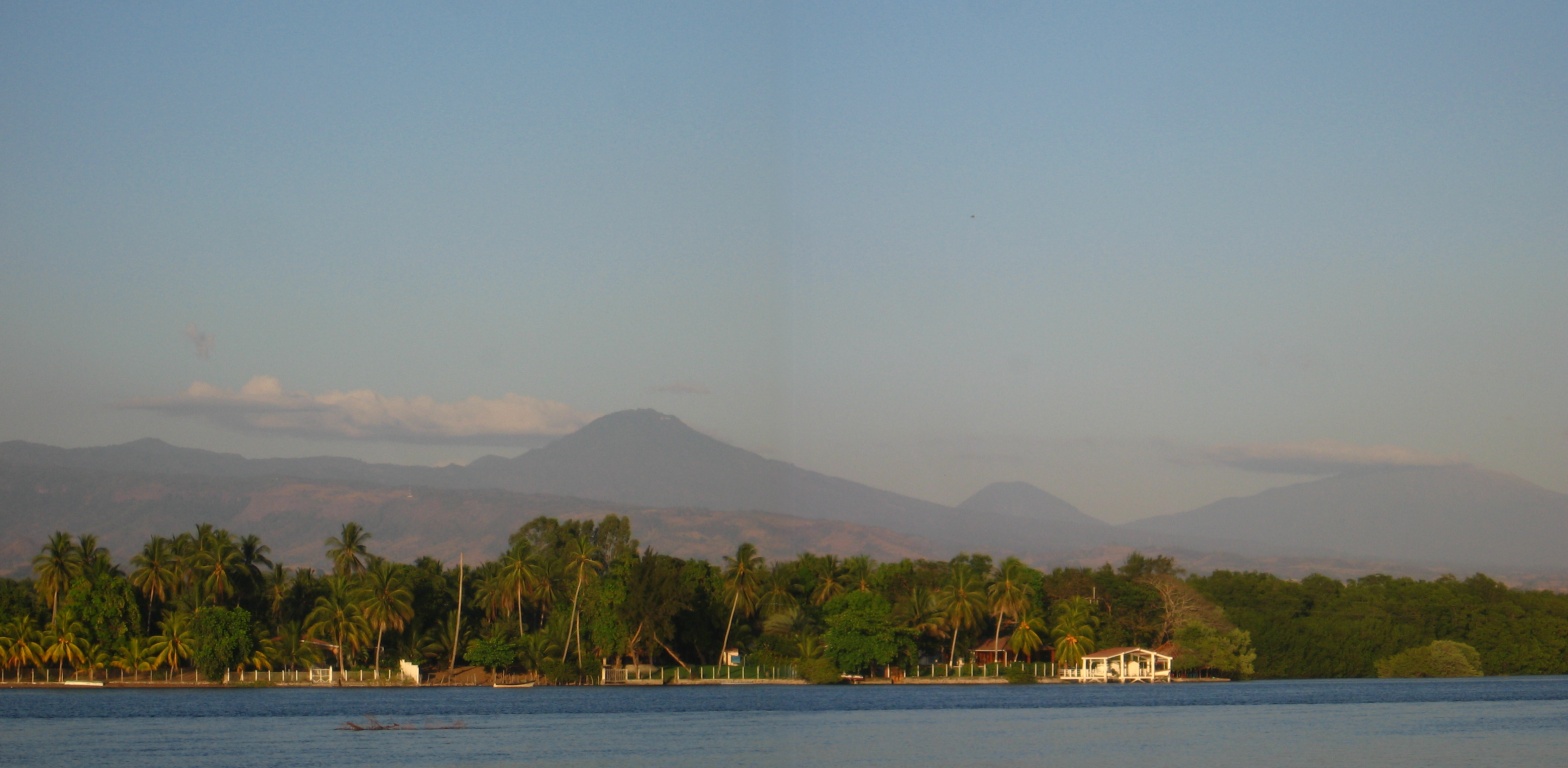
La Cocotera Eco Resort is located on the sandy shores of the Barra de Santiago coast, with the Barra de Santiago Estuary and Mangrove forest as its neighbor. If you are looking for an eco vacation that offers relaxing luxury and intriguing wildlife exploration, then La Cocotera is for you.
Barra de Santiago is home to seven different species of mangrove, and measures approximately 2,000 hectares (4,942 acres). Along with lush vegetation, the inner mangrove coastline is a haven for thousands of native and migratory birds and a various wildlife. Guests at our eco resort can see many types of wildlife while floating along the peaceful estuary waters including iguanas, lizards, marine mammals, shellfish, sea turtles, crocodiles, blue crabs and more!
If you are a nature and wildlife enthusiast who is looking for the perfect eco vacation activity, you must try kayaking through the Barra de Santiago estuary. To learn more about kayaking, see our other post on Eco Resort Nature Activites: Kayaking. For those staying out our eco lodge, kayak rentals are included.
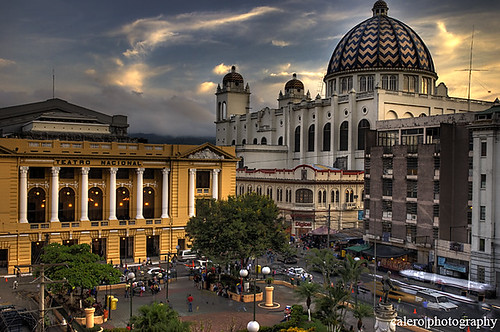
Don’t forget to check out the bars and clubs that makeup San Salvador’s colorful nightlife during your stay at an eco resort. When you leave your El Salvador hotel for the evening, check out the Zona Rosa district, just west of the city center. Many cafes and restaurants can be found in Paseo General Escalon, in the Zona Rosa region, while nightclubs and cinemas (many of which show English-language films with Spanish subtitles) can often be found in shopping malls, like Metrocenter or Gran Vía. One of the area’s theaters is the beautifully restored Teatro Nacional.
Along with theaters and clubs, venues like the Feria Internacional for concerts, and Estadio Cuscatlán and Estadio Mágico Gonzalez for football (soccer) matches and concerts are great for a day out.
When you go into the restaurants remember to order the national culinary specialities:
Pupusa (a fried sandwich of tortillas, filled with pork, cheese, refried beans and/ or vegetables).
Típico salvadoreño (standard Salvadoran breakfast comprising eggs, local cheese, refried beans, fried plantains and tortillas).
Corn tortillas.
Tamal de elote (cornflour batter with meat filling, wrapped in banana leaves and steamed).
To read more about traditional and specialty cuisine, see our other post on El Salvador Food!
When you go out to the shops or clubs don’t pass up on drinking some of the local specialties:
Café (coffee).
Refrescos (natural fruit drinks).
Tic tac and torito (strong alcoholic beverages made from distilled sugar cane).
In El Salvador, the legal drinking age is 18. For night clubs and bars, remember that entry charges are common. For tipping in the area, give about 10% in El Salvador hotels and restaurants, and 15% is appropriate for smaller bills. Check before tipping because service charge is often included on bill.
FYI: Certain areas are best to avoid. The actual San Salvador downtown offers little to no in the way of entertainment and should be avoided for the most part at night. Outside the capital most places of entertainment (even hotels) close early.
Did you know? El Imposible National Park is so named for the once-treacherous El Imposible Pass, where a steep and narrow gorge between two mountains blocked the route of coffee farmers transporting their coffee by mule-train. In 1968, the El Salvadoran government constructed a bridge at El Imposible Pass, opening up transportation from Tacuba to Cara Sucia.
El Imposible National Park is part of the Apaneca–Ilamatepec range of mountains and is located 70 miles west of capital city San Salvador. The park is a protected natural area offering the largest biological diversity in El Salvador.
The park covers 12,850 acres of tropical mountain forest. More than 1,000 species of plants are found in the park, as are such endangered animals as the puma, crested black eagle, emerald toucan, aardvark and white-tailed deer. El Imposible is considered one of the most important natural reserves in Central America not only because of its wildlife, but because it is one of the few existing examples of the typical Mesoamerican Pacific coastal rainforests. Access is by hiking and four-wheel-drive vehicle only.
There are 3 major trails in the park: a 1km nature hike, a 6-7km loop into the valley to see a delta of two rivers, and a 8-9km hike to Cerro Leon the highest point in the park.
La Cocotera’s proximity to El Imposible National Park, making hiking a popular eco tourism activity for our visitors. Reservations and permits for each visitor are required in advance. Call or ask us at the front desk about El Imposible Tours and we’ll be happy to help you!
La Cocotera Eco Resort is located in the secluded and peaceful little town of Barra de Santiago. It is about an hour and a half drive from San Salvador and is situated right on the beach near the Guatemalan border. In order for prospective guests to get a better idea of where exactly they’ll be staying, we’ve decided to put up a few maps showcasing the area.
The arrival airport destination for those visiting our eco resort is capital city San Salvador. Airlines servicing San Salvador include: American, United, Continental and TACA, the official airline of El Salvador. TACA (www.taca.com) flies daily non-stop from Los Angeles to San Salvador. Flight time is approximately 4 ½ hours.
Guests can also fly to San Salvador non-stop from most Central American capitals as well as connecting through the U.S. via Miami (2 ½ hours), Dallas (3 ½ hours), Washington, D.C. (4 ½ hours) or New York City (5 hours).
Ground transportation from and to San Salvador airport is included in the price of your stay at our eco resort and it is approximately a 1 hour 45 minute drive. Helicopter and Private Plane transportation from to and from San Salvador airport is available at an additional cost.